
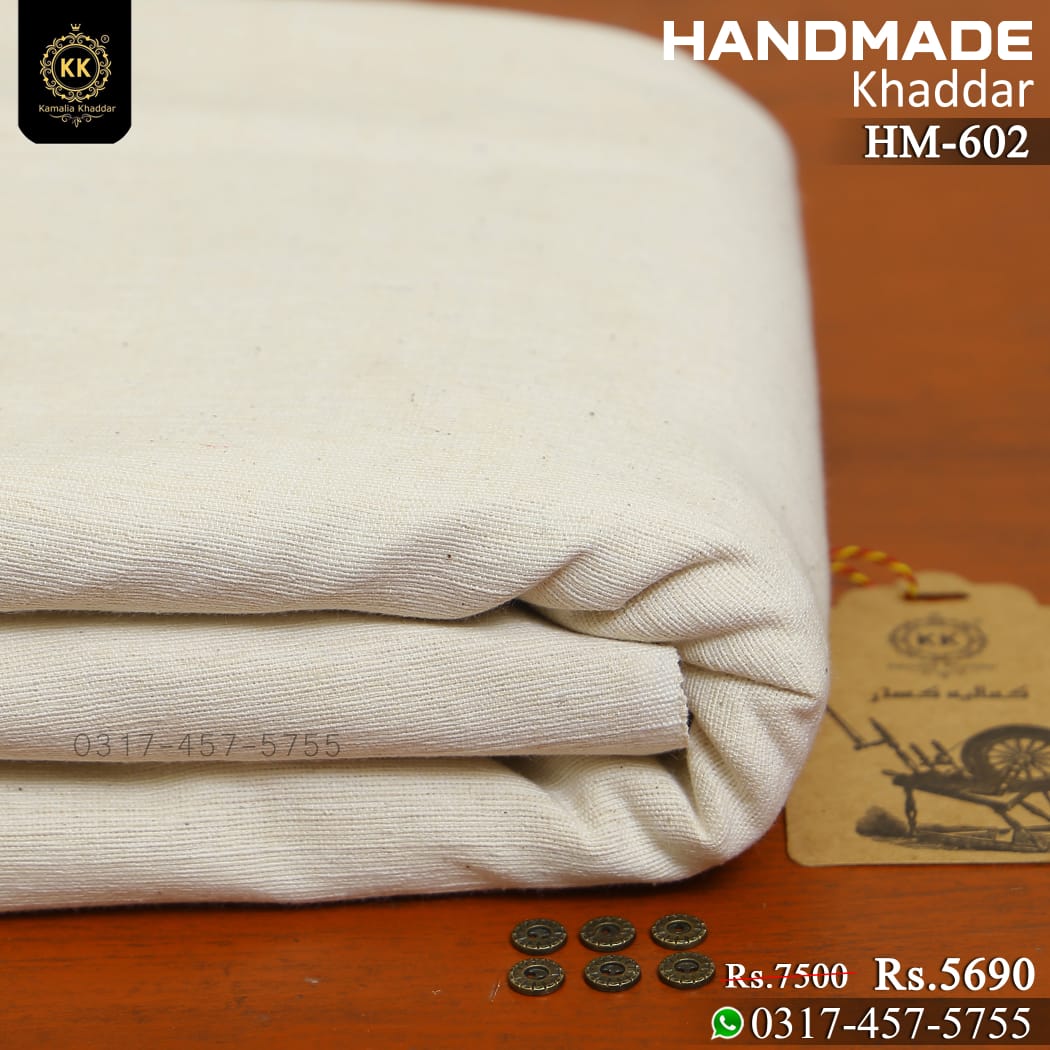
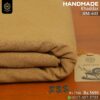

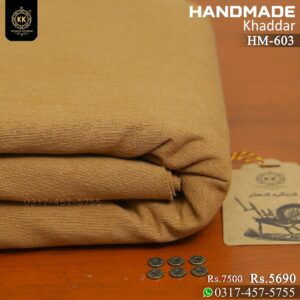
Handmade Khaddar is not simply a piece of fabric—it is the result of traditional weaving, skilled craftsmanship, and countless hours of human effort.
Unlike power-loom fabric, which is produced through automated machinery at high speed, handmade khaddar is woven by skilled artisans using a traditional handloom/Khadi loom. Each length of fabric passes through the hands of the weaver, creating a fabric with its own natural character, texture, and identity.
At Kamalia Khaddar, our Handmade Khaddar represents the traditional spirit of Kamalia’s famous textile heritage, where weaving is treated as a craft rather than simply a manufacturing process.
The Beauty of Traditional Hand Weaving
One of the most beautiful characteristics of Handmade Khaddar is that it doesn’t try to look artificially perfect.
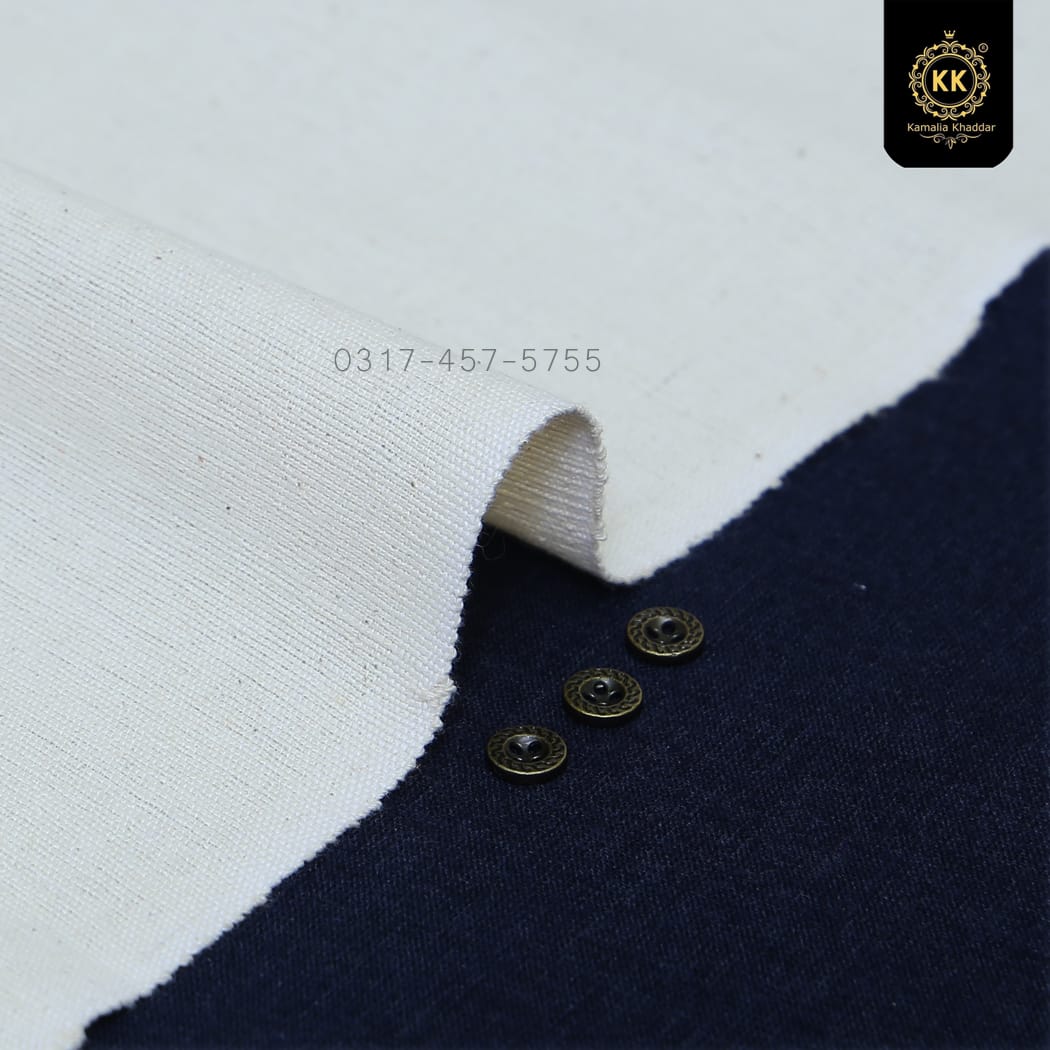
The fabric may have tiny differences in texture, weave, or surface appearance. These characteristics are not defects. They are part of the natural identity of handwoven fabric.
A machine can reproduce the same pattern thousands of times with mechanical precision. A skilled artisan creates fabric through a combination of experience, rhythm, control, and craftsmanship.
That is what gives Handmade Khaddar its special character.
Every Meter Tells a Story
When you purchase ordinary mass-produced fabric, you are primarily purchasing a manufactured textile.
When you purchase genuine Handmade Khaddar, you are purchasing something more meaningful: the work of a craftsman.
From preparing the yarn to setting up the loom and carefully weaving the fabric, traditional Khaddar requires patience.
The artisan continuously controls the weaving process, and this human involvement gives the finished fabric a character that is difficult to reproduce through completely automated production.
Every meter reflects the skill and time invested by the weaver.
Why Does Handmade Khaddar Have a Natural Texture?
Many people notice that genuine handwoven Khaddar does not always have the perfectly uniform surface associated with highly industrialized fabrics.
That is one of its attractions.
The handloom weaving process can create subtle variations in:
- Yarn placement
- Weave density
- Surface texture
- Thread tension
- Fabric appearance
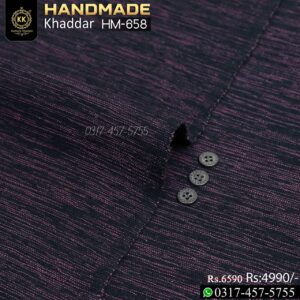
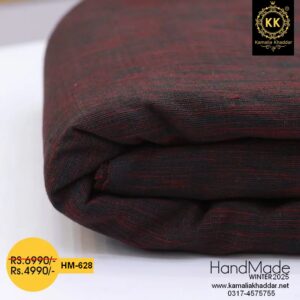
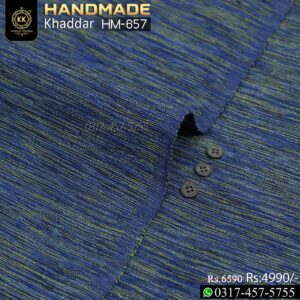
These subtle characteristics create the recognizable handwoven Khaddar texture.
Instead of hiding these characteristics, traditional textile lovers appreciate them because they demonstrate that the fabric has been genuinely woven through a traditional process.
The Human Touch Behind Kamalia Handmade Khaddar
A major difference between handmade and mechanized weaving is the role of the human being.
With Handmade Khaddar, the weaver is not simply monitoring a machine from a distance. The artisan is actively involved in creating the fabric.
The rhythm of the loom, the movement of the threads, the control of tension, and the experience of the weaver all contribute to the final result.
This human involvement is one of the reasons handmade textiles are often described as craftsmanship rather than mass production.
Traditional Khadi Loom — The Heart of Handmade Khaddar
The handloom is at the heart of traditional Handmade Khaddar.
Unlike modern power looms, a traditional loom operates through the physical effort and coordination of the weaver.
The artisan works with the loom repeatedly, building the fabric thread by thread.
This process is considerably slower than industrial weaving, but that slower process is precisely what makes traditional handwoven fabric special.
Handmade Khaddar is made with patience—not simply with speed.
Handmade Khaddar Is Not About Perfect Uniformity
There is a common misunderstanding that the highest-quality fabric must always be perfectly uniform.
That idea doesn’t necessarily apply to handmade textiles.
With traditional handwoven fabric, slight variations can be evidence of the handloom process.
The beauty lies in its natural appearance and authentic character.
Two pieces from the same Handmade Khaddar collection can have extremely similar qualities while still showing tiny differences in their weave and surface.
That individuality is part of the charm of handmade fabric.
The Heritage of Kamalia and Khaddar
Kamalia has a long association with traditional textile craftsmanship and Khaddar.
For generations, Khaddar has been connected with the region’s identity, particularly its weaving traditions and skilled artisans.
Kamalia Khaddar Handmade Khaddar continues this traditional concept by bringing the character of handwoven fabric to customers who appreciate authentic textile craftsmanship.
It is more than a seasonal fashion trend.
It represents a connection between traditional weaving and modern clothing.
Why Choose Handmade Khaddar?
There are many reasons textile enthusiasts choose handmade Khaddar.
1. Traditional Craftsmanship
The fabric is produced using a traditional handloom process rather than automated power-loom production.
2. Unique Texture
The natural handwoven surface gives the fabric a distinctive appearance.
3. Human-Made Character
Every length of fabric carries the influence of the artisan who created it.
4. Traditional Heritage
Handmade Khaddar keeps an old weaving tradition alive in a modern textile market.
5. Limited Production
Because handloom weaving takes significantly more time and human effort, Handmade Khaddar is not produced in the same way as mass-market fabric.
6. Authenticity
For people who specifically want traditional handwoven Khaddar, the production method itself is an important part of the product.
Handmade Khaddar Is a Craft, Not Just a Fabric
Perhaps the biggest difference is how we look at the fabric.
Power-loom fabric is primarily understood through manufacturing specifications.
Handmade Khaddar can be appreciated on another level—as a traditional craft.
The fabric represents:
Yarn + Loom + Artisan + Time + Skill = Handmade Khaddar
The slower process, the human involvement, and the natural character of the weave are what make traditional handwoven Khaddar special.
Why Handmade Khaddar Can Cost More
Handmade Khaddar requires considerably more human involvement than high-speed mechanized weaving.
An industrial machine can continuously produce fabric at a much faster rate, whereas a handloom depends on the artisan’s physical work and time.
Therefore, when comparing the price of handmade and power-loom fabric, it is important to compare the production process, not just the appearance of the finished cloth.
With Handmade Khaddar, you are paying not only for the yarn and fabric—you are also paying for traditional craftsmanship, artisan skill, and the time required to produce it.
A Fabric for People Who Appreciate Authenticity
Handmade Khaddar is particularly suited to people who appreciate the difference between mass-produced textiles and traditional craftsmanship.
It is for someone who notices the weave.
Someone who appreciates natural texture.
Someone who understands that a tiny variation does not necessarily mean an imperfection.
And someone who values the work of the person behind the fabric.
Kamalia Khaddar Handmade Khaddar — Tradition Woven by Hand
At Kamalia Khaddar, Handmade Khaddar is presented as a celebration of traditional weaving.
Our focus is not to confuse Handmade Khaddar with power-loom fabric. Handmade means handmade.
It is about the traditional handloom, the artisan, the yarn, the weaving process, and the natural character created along the way.
In a world where almost everything is produced faster and faster, Handmade Khaddar reminds us that some things are worth taking time to create.
Handmade. Traditional. Authentic.
Kamalia Khaddar Handmade Khaddar
Woven by Hand — Crafted with Skill — Made with Tradition.
Related products
Heritage Khadi
Heritage Khadi
Milan Khadi
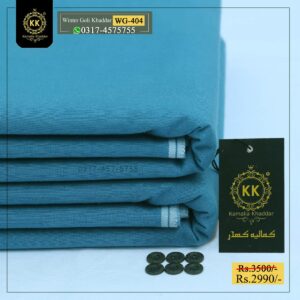
Goli Khaddar
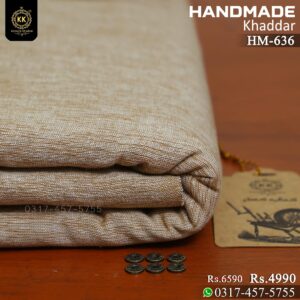
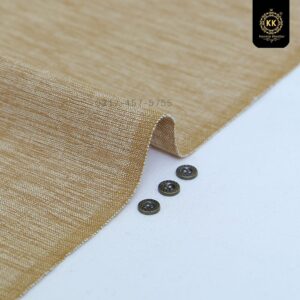
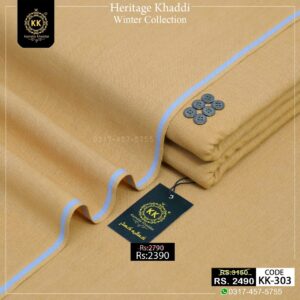
Milan Khadi
Karandi Khaddar
Karandi Khaddar
Heritage Khadi

Milan Khadi

Milan Khadi
Heritage Khadi
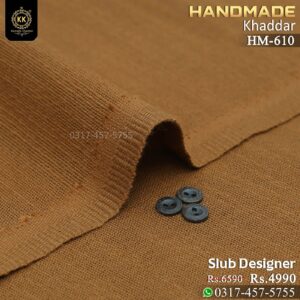

Heritage Khadi
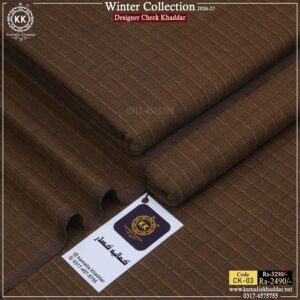
Designer Check Khaddar
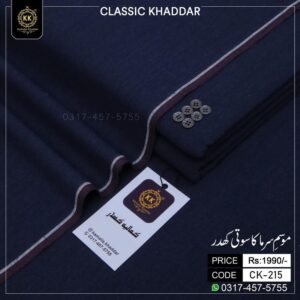
Milan Khadi
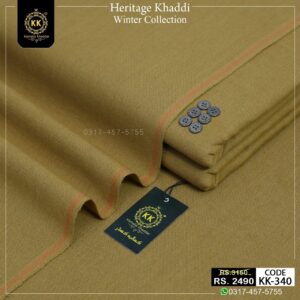
Milan Khadi
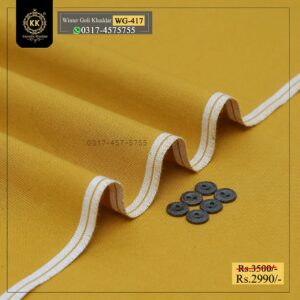
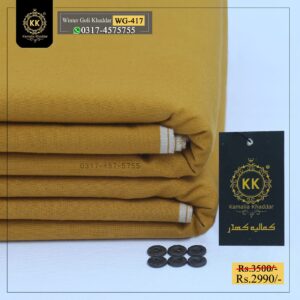
Goli Khaddar
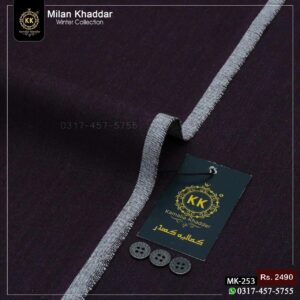
Milan Khadi
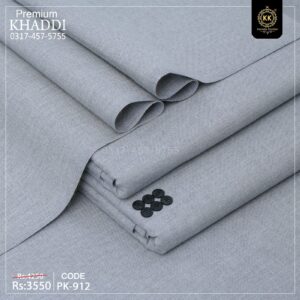
Premium Khaddar
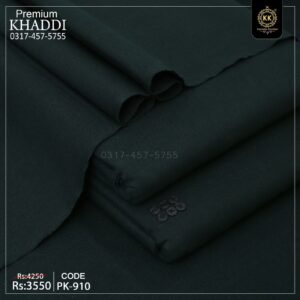
Premium Khaddar
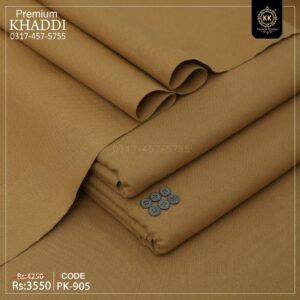
Premium Khaddar
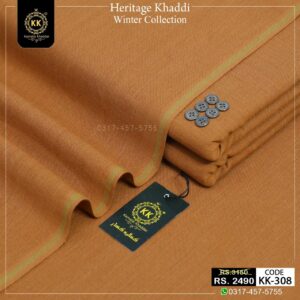
Milan Khadi
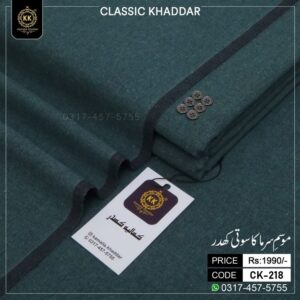
Heritage Khadi
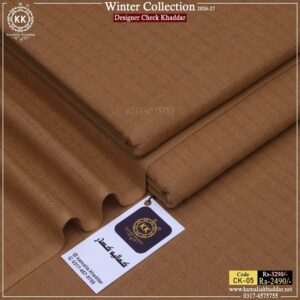
Designer Check Khaddar

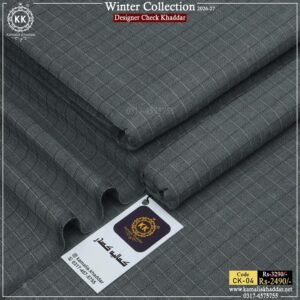
Designer Check Khaddar

Milan Khadi
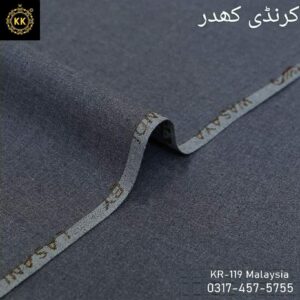
Karandi Khaddar
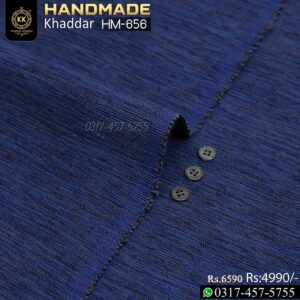
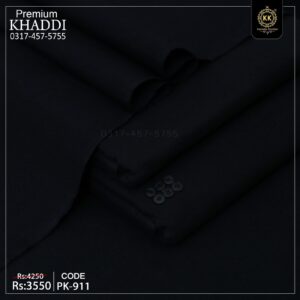
Premium Khaddar
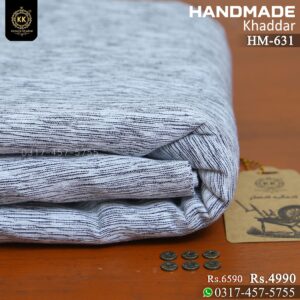
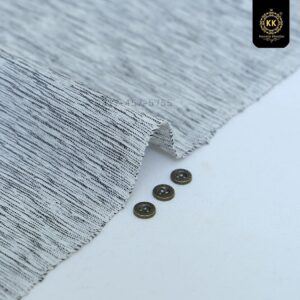
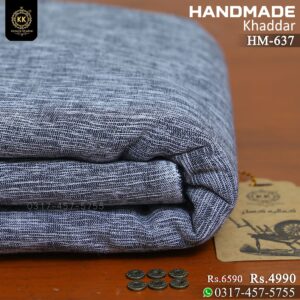
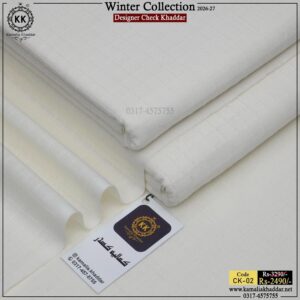
Designer Check Khaddar
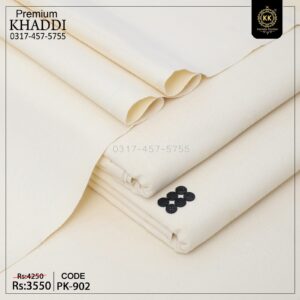
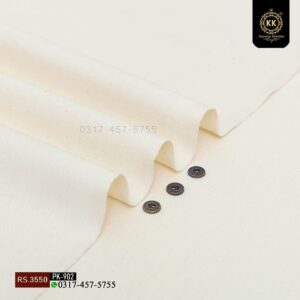
Premium Khaddar

Milan Khadi
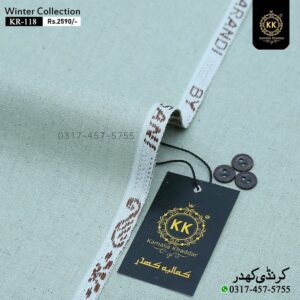
Karandi Khaddar
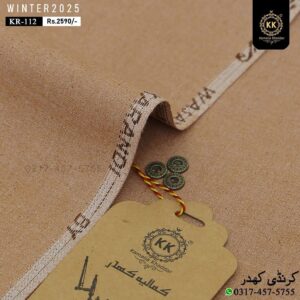
Karandi Khaddar
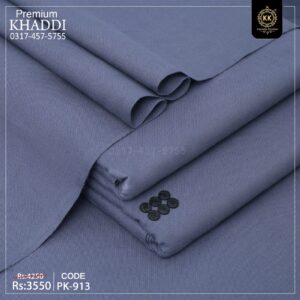
Premium Khaddar
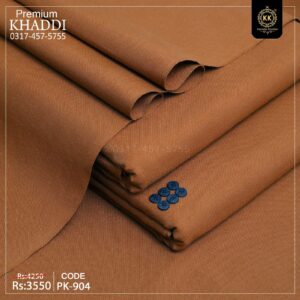
Premium Khaddar